Bed bug heat treatment vs chemical treatment is a choice between professional methods, not a guaranteed winner. Heat needs controlled equipment and verified coverage; pesticides need suitable products and targeted application. For a home in Lebanon, compare the inspection, preparation, safety instructions and follow-up included in the complete plan before choosing.
An offer for “one heat session” and an offer for “two sprays” are difficult to compare without more detail. Which rooms and belongings are covered? Who checks the result? What happens if activity continues? The answers matter more than the method name on the first quotation.
This educational guide from GRMC Pest Control Lebanon uses the primary sources linked below. It is not a report of comparative product tests. It does not establish that GRMC supplies whole-room heat treatment; ask which methods are available for your property when requesting an assessment.
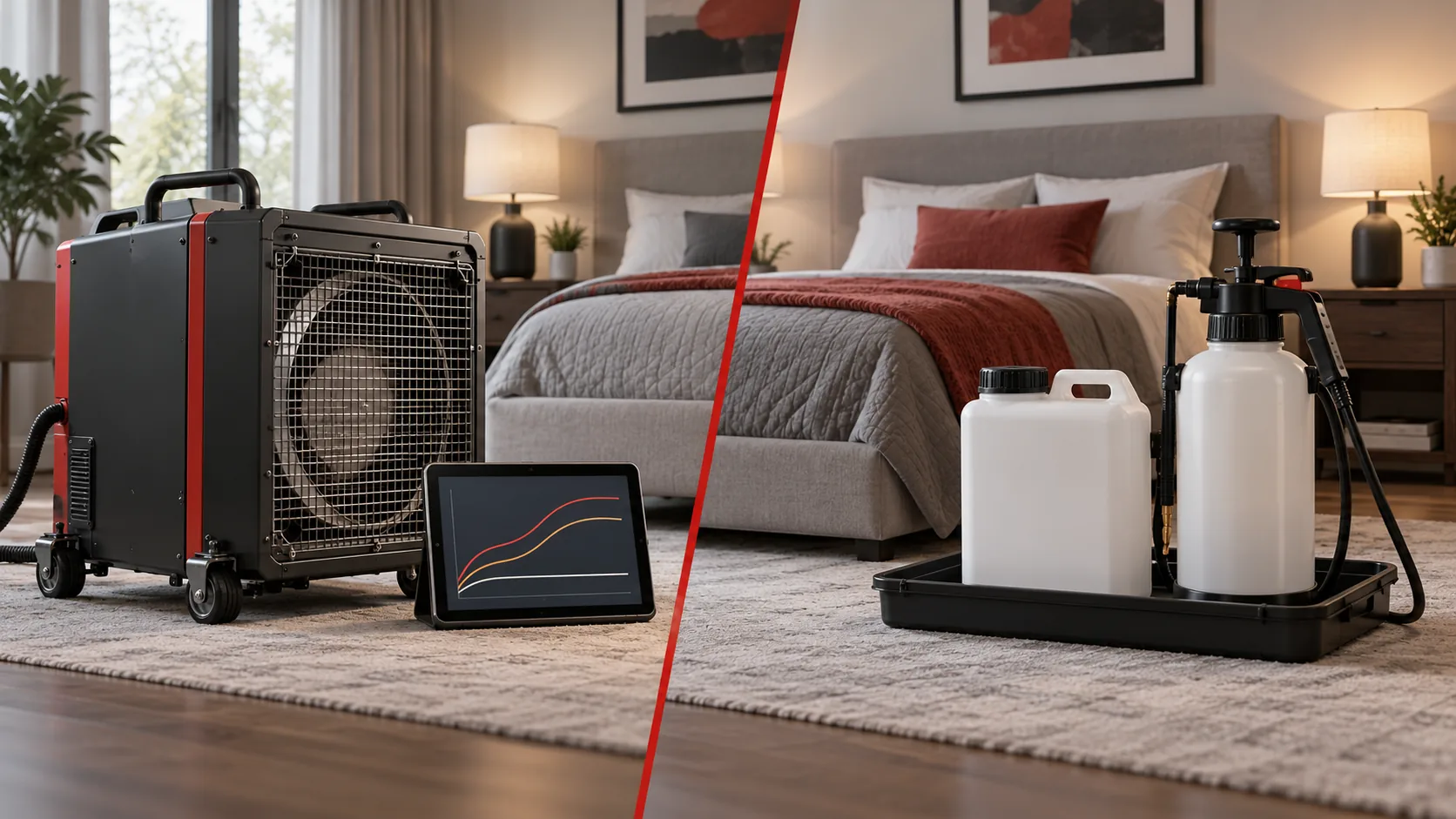
Bed bug heat treatment vs chemical treatment at a glance
| Question | Professional heat treatment | Professional pesticide treatment |
|---|---|---|
| What is being applied? | Controlled heat within a defined treatment area or unit. | Products selected for the pest, application location and permitted use. |
| What should the proposal explain? | Area covered, equipment, measurement and contents precautions. | Product names, intended application sites and label-specific precautions. |
| What preparation needs clarifying? | Which belongings must be handled differently and who checks the room beforehand. | Which areas require access, what must be protected and what should remain undisturbed afterwards. |
| What should not be assumed? | That warming room air proves every hiding place received an effective treatment. | That every product behaves alike or one application automatically resolves the problem. |
| What follows the visit? | Agreed inspection or monitoring and instructions for suspected continued activity. | Agreed inspection or monitoring, with any repeat work based on the plan and findings. |
The table compares questions to ask, not a promise of equal suitability or results in every building.
What professional heat treatment involves
Professional room heat is a controlled process, rather than simply making the bedroom uncomfortable. Cornell IPM describes checking cooler locations during thermal treatment. That distinction matters: a reading near the equipment does not describe every hidden part of a furnished room. Ask how the provider defines and checks the treatment area.
The proposal should also explain what happens to contents that cannot remain under the proposed conditions. Ask for a written preparation list and a contact who can answer questions about a particular item. Do not remove belongings to a second bedroom just because you are unsure what to do with them; get an agreed handling plan first.
Heat can be a useful professional tool, but the equipment being brought to the property does not itself prove the problem has ended. The useful record is the work carried out, the areas included, any limitations encountered and the next check. Ask for that record before deciding whether the quoted service meets your needs.
Room heat and local steam are different services
A technician treating an accessible seam with steam is not necessarily offering a controlled whole-room heat service. UC IPM discusses both steam and commercial heating, with attention to reaching the insects and their hiding places. If a quotation says “thermal treatment,” ask exactly which method and area it describes. This prevents a disagreement about what you thought you had purchased.
What a professional pesticide programme involves
Pesticide treatment is not one uniform product or a request to spray everything. A proposal should identify the product and explain where it is intended to be used. EPA’s safe-treatment guidance emphasises following the actual label and using products appropriate for bed bugs. Its US registration references do not establish permission to use a particular product in Lebanon.
Ask the provider to give the applicable product information and written precautions for your premises. Clarify which furniture or surfaces are included, where application is unsuitable and what must happen before occupants return. Avoid assuming that a product can be used on bedding or personal belongings because its name mentions bed bugs.
A proper comparison also asks how the provider will respond if the initial plan needs changing. The answer should refer to inspection findings and the treatment record. It should not be an automatic promise to use more material. Pesticide selection, access and follow-up belong in the same discussion as price.
Why some plans use more than one method
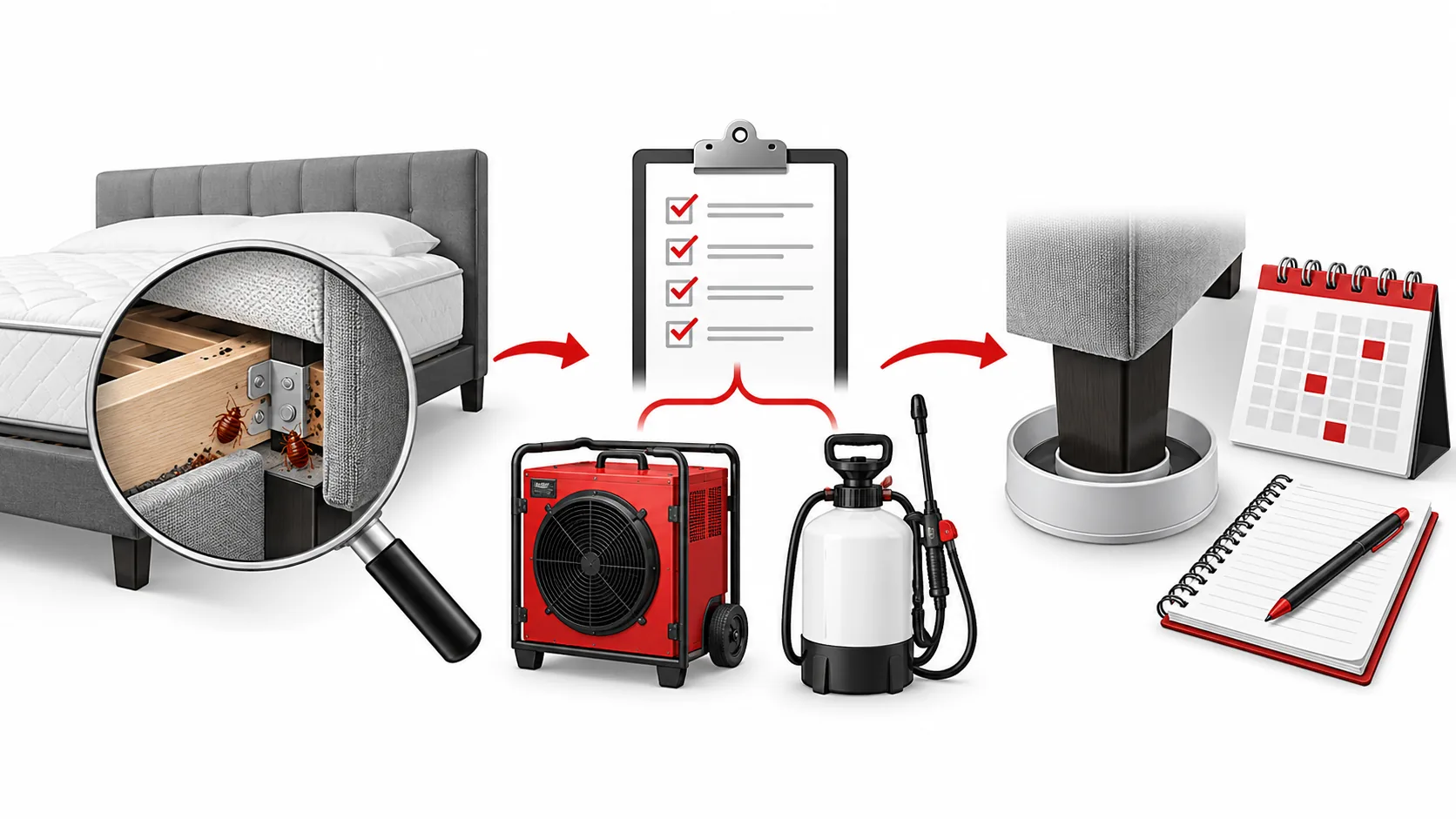
EPA’s integrated-management guidance describes bed bug control as a programme that can combine chemical and nonchemical measures with monitoring. That is a more useful basis for a quotation than treating heat and pesticides as competing slogans. A professional might propose several measures, but should be able to explain the purpose of each.
Ask which part addresses the observed activity, how belongings will be handled and how results will be checked. A longer list of techniques is not proof of a better plan. Nor does choosing a physical method mean that no other action or follow-up will be needed. Compare what the proposal actually commits the provider and occupants to do.
For background on where inspection may focus, see our guide to bed bug hiding places in Lebanon. Recognising likely inspection areas is useful preparation for a conversation; it is not a replacement for identifying the pest and defining the affected space.
Match the proposal to the property
A Beirut apartment with uncertain room coverage
Imagine that activity has been reported around one bed, but another household member sometimes sleeps on a sofa. Before comparing treatment offers, tell the provider how the home is used and which spaces have already been checked. Ask whether the quotation concerns one bed, one room or the entire apartment. Do not assume that the least expensive description includes the wider area.
A furnished rental needing a clear handover
For a rental or guest room, agree who coordinates access, preparation and the report after the visit. Ask what happens if the provider finds that the agreed scope is incomplete. Keep appointment dates, preparation instructions and the areas inspected together, so the next person managing the property can understand what has happened. This scenario is a purchasing example, not a GRMC customer case.
If several flats report a problem, ask the building manager and provider whether coordination beyond your apartment is required. Avoid assigning blame to a neighbour without evidence. The practical issue is permission to inspect the relevant areas and a shared record of the agreed next steps.
Compare the full cost and the follow-up
Ask each company to quote for the same rooms and the same responsibilities. Separate the initial work from preparation assistance, treatment of excluded belongings, monitoring and additional visits. A lower first invoice is not necessarily a lower total, and a higher price does not establish better performance. No reliable Lebanon-wide price comparison follows from unrelated overseas advertisements.
- What inspection establishes the proposed scope?
- What rooms, furniture and belongings are included or excluded?
- Which preparation tasks are yours, and who confirms they are complete?
- What access restrictions and return instructions will be provided?
- Is the follow-up included, and what findings would lead to more work?
- What are the written conditions of any warranty or return visit?
Keep a dated record of observations and share it at the agreed review. Cornell’s bed bug FAQs explain why skin marks alone do not confirm the pest. Tell the provider what was actually seen and where, rather than deciding from a new itchy mark that treatment has definitely failed. Health concerns belong with a qualified health professional.
Frequently asked questions
Is heat always better than pesticides for bed bugs?
No universal winner can be chosen without the property assessment and proposed scope. Ask how the method reaches the affected areas and how the result will be checked. Compare the full plan, including preparation and follow-up.
Does one heat visit mean there is no need for follow-up?
Do not treat a one-session advertisement as proof that later inspection is unnecessary. Ask what the company checks afterwards and how to report suspected continued activity. The written plan should explain the next step.
Can I heat the room myself instead?
Do not improvise a room-heating treatment with household equipment. This article concerns professional methods, not a home heating procedure. Ask a competent provider to assess the property and explain its equipment and precautions.
Does every chemical treatment leave lasting protection?
Do not assume identical persistence or effectiveness across products and surfaces. Ask which product is proposed, where it will be used and what its instructions permit. A general claim about chemical treatment cannot replace that information.
Must I throw away the mattress before treatment?
Ask the provider to assess the item and explain the handling plan before deciding. Do not move it into another room while waiting for advice. The quotation should state whether treatment or handling of that item is included.
Does GRMC offer whole-room heat treatment in Lebanon?
This guide does not confirm that service capability. Contact the Lebanon team to ask which methods are available and suitable for the assessed problem. Request the actual scope and follow-up arrangements in writing.
Discuss a bed bug assessment in Lebanon
GRMC’s confirmed Lebanon service area runs from Beirut to Batroun. Review the bed bug treatment service and contact the Lebanon team with your location, the affected rooms and any previous treatment information. Ask which methods can be offered for your property, what preparation is required and how the result will be reviewed.